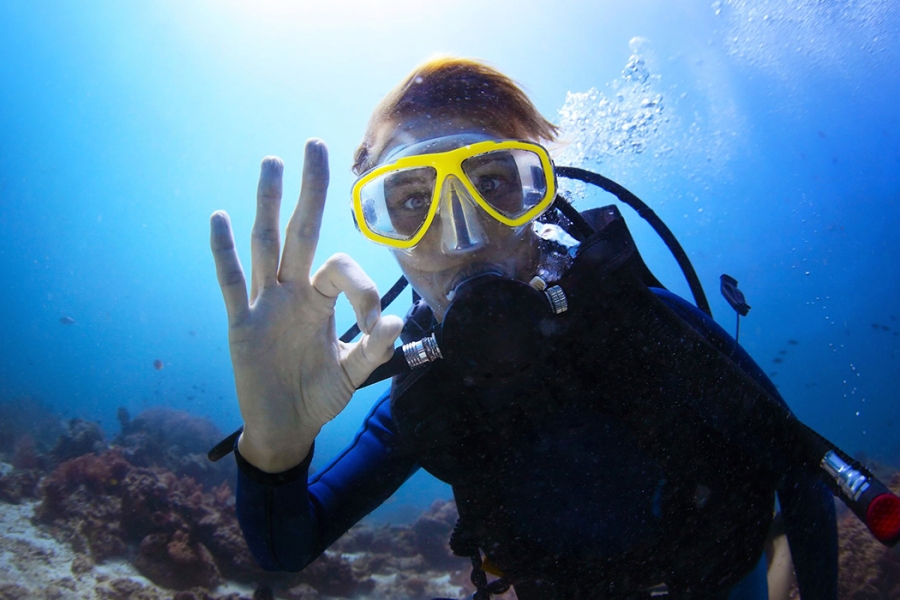


Sipadan is one of those dive destinations that sits firmly on many divers’ bucket lists.
That is exactly why permits matter. Access is tightly controlled to protect the island and its marine environment, which means diving Sipadan is not something to leave to luck or last-minute planning.
The good news is that the permit system is manageable once you understand how it works.
What this article is for:
This quick guide is for divers planning a Sipadan trip and wanting a clear, current overview of how permits work, what fees apply, and how to improve their chances of securing a spot.
Key Takeaways
- You need a permit to dive at Sipadan
- Permits must be arranged through licensed operators registered with Sabah Parks
- Current public tourism information states a daily quota of 252 permits
- Divers are currently limited to one day at Sipadan with a maximum of two dives
- Current public guidance also states divers need at least Advanced Open Water certification
- Booking early and choosing the right operator matters more than hoping for a last-minute opening
Why Sipadan permits exist
Sipadan’s permit system exists to protect one of Malaysia’s most important marine environments.
In earlier years, tourism pressure on the island was much less controlled. Over time, that became unsustainable. The permit system was introduced as part of a broader effort to reduce visitor pressure and better protect the island’s ecosystem.
That restriction may feel inconvenient from a holiday planning perspective, but it is also part of why Sipadan remains special.

Do you need a permit to dive Sipadan?
Yes.
Sabah Tourism states that a permit is required to dive at Sipadan, and those permits can only be obtained through licensed tour operators registered with Sabah Parks.
In other words, this is not a destination where you should assume you can simply turn up and sort it out on the day.

How many permits are available?
Current Sabah Tourism guidance states a daily quota of 252 permits.
That may sound like a decent number at first, but demand for Sipadan is consistently high. Once those permits are allocated, that is it for the day.
How many dives can you do at Sipadan?
Sabah Tourism currently states that each diver is allowed a one-day visit with a maximum of two dives.
This is one of the areas where older articles online can still be misleading, as some still mention earlier quota periods or different dive limits.
What certification do you need?
Sabah Tourism’s current destination page states that divers must hold at least Advanced Open Water certification to dive at Sipadan.
If Sipadan is a major goal for you, this is worth factoring into your trip planning early.
What fees should you expect?
Sabah Parks currently lists the following Sipadan Island Park fees:
Conservation Fee: RM50 for Malaysians, RM100 for internationals
Scuba Diving Fee: RM250 for Malaysians, RM350 for internationals
In practice, operators may present Sipadan charges as part of a package or break them out separately, so always check what is included in the trip price rather than assuming the Sabah Parks fee is the full all-in cost.
How are permits usually allocated?
Most divers visiting Sipadan stay in nearby areas such as Semporna, Mabul, or Kapalai, since Sipadan itself no longer has accommodation.
From there, permits are usually managed through the operator or resort you book with. Because permits are limited, many operators allocate them based on package structure, guest rotation, length of stay, or a guaranteed-permit arrangement attached to selected packages.
This is why asking the right question matters. Do not just ask whether Sipadan is “possible”. Ask how permits are actually allocated for your booking.
How to improve your chances of getting a Sipadan permit
Book early
Sabah Parks allows dive operators to book Sipadan diving up to six months in advance, with payment timelines attached to the booking process.
That alone tells you this is not a last-minute destination.
Stay longer
A longer stay usually gives an operator more flexibility to assign you to an available permit day.
Choose operators carefully
Do not compare packages on room photos alone. Ask directly:
Is a Sipadan day guaranteed or subject to availability?
How are permits allocated among guests?
Is the Sipadan fee already included?
Avoid peak-date assumptions
Holiday periods and school breaks can tighten availability even further. If Sipadan is the priority, build the trip around permit strategy, not just around flight convenience.
One more thing to note
Sabah Tourism states that Sipadan has been closed to tourists every December since 2020 to allow a month-long ecological rest period.
That is an important detail for anyone trying to plan a year-end trip around Sipadan specifically.
Insider tip
The most useful booking question is not “Can I dive Sipadan?” It is “How exactly does Sipadan permit allocation work for this package?”
Final thought
Sipadan permits are limited, but they are not mysterious.
The key is to treat Sipadan as a destination that rewards good planning. Book early, verify the current rules, understand the fee structure, and make sure your operator is transparent about how permits are handled.
That will usually do far more for your chances than hoping one appears at the last minute.
Note: Permit rules and fees may change over time, so always reconfirm with your operator before booking.