
Marine conservation is rarely simple.
Efforts to protect wildlife often require researchers to collect data, monitor migration, and better understand how animals behave in the wild. In the case of sea turtles, tagging has long been one of the tools used to support research and conservation. It can help scientists track movement patterns, identify nesting behaviour, and build the knowledge needed to protect vulnerable populations.
But good intentions do not remove the need for ethical scrutiny.
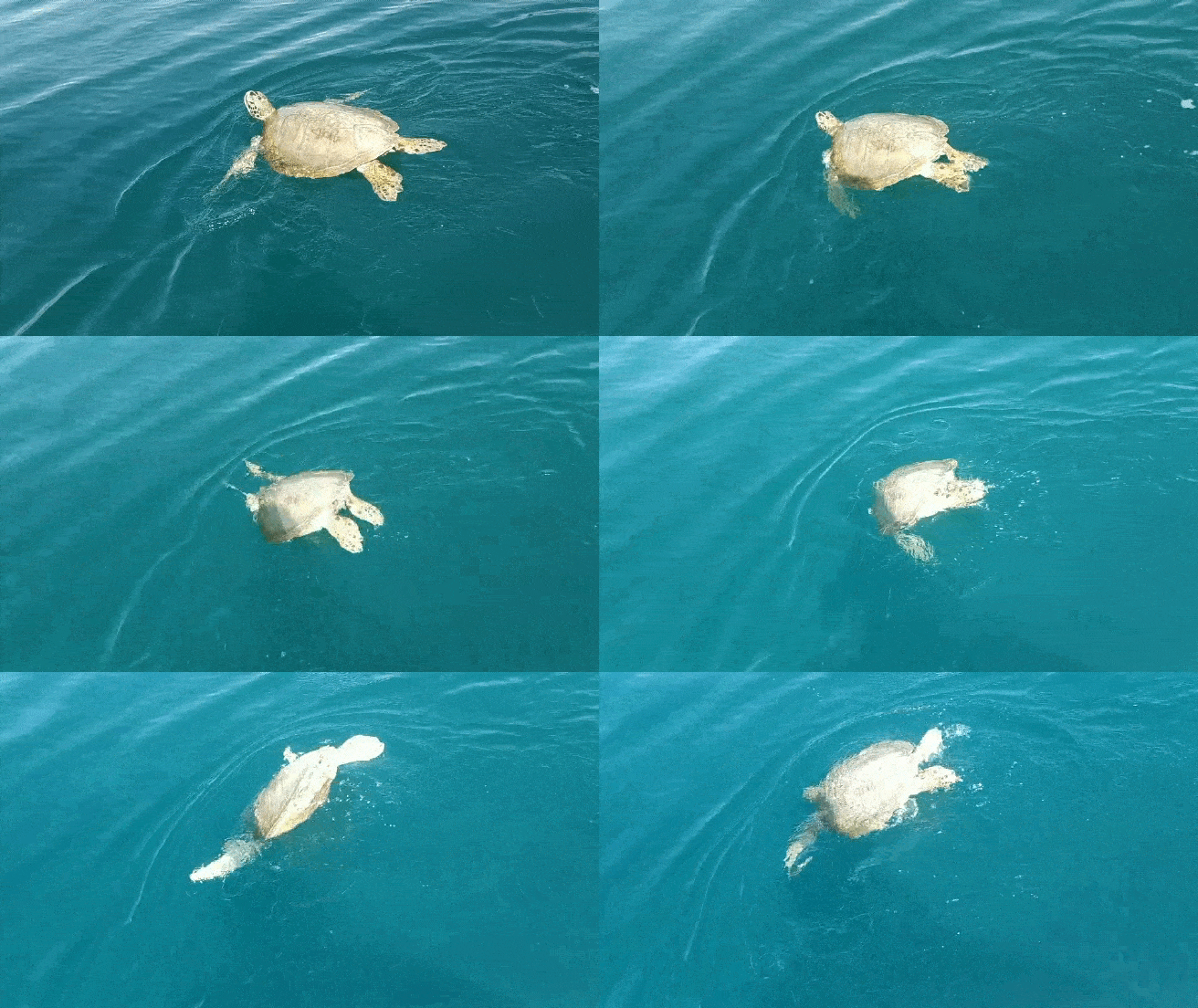
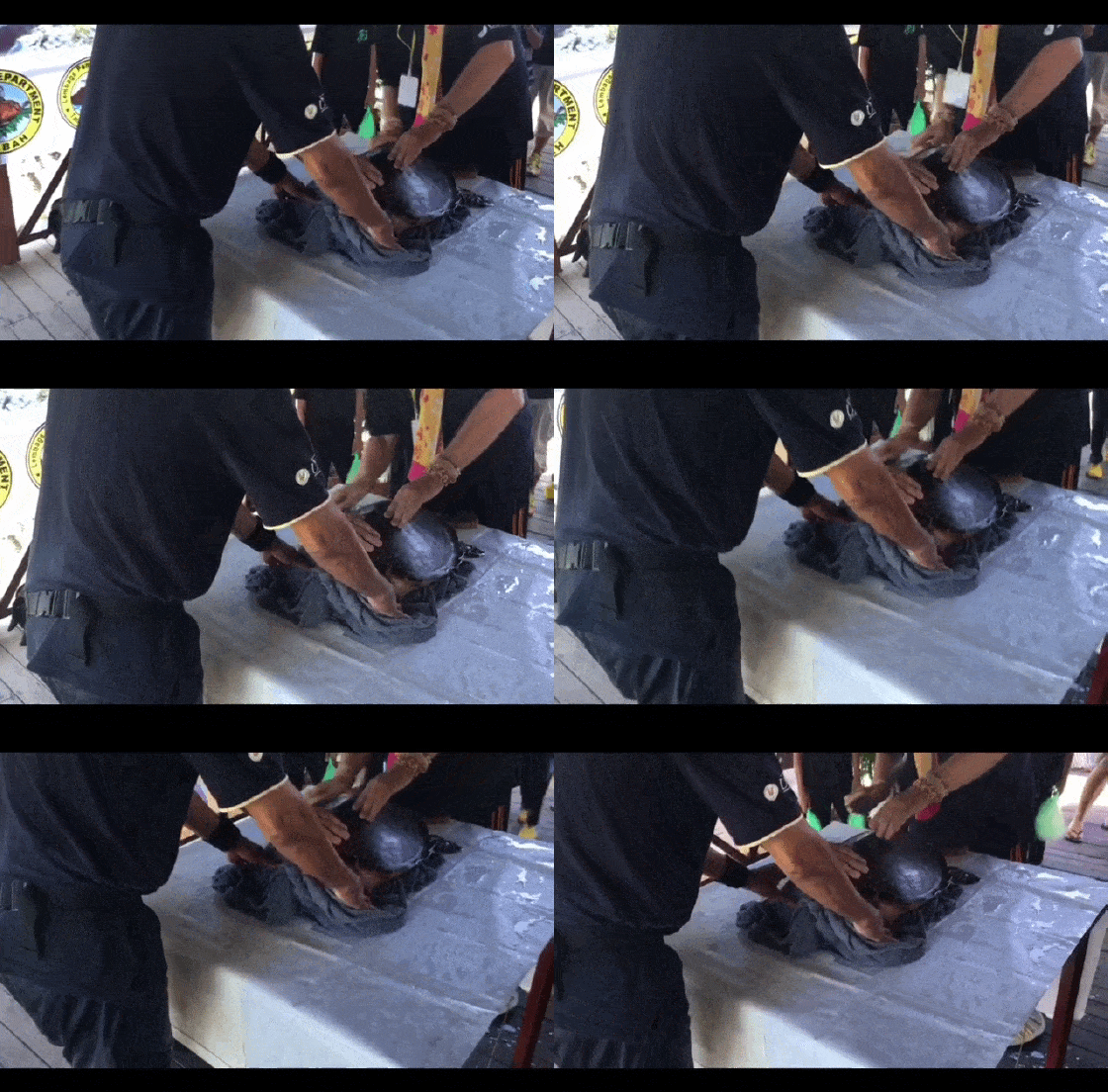
In Sabah, concerns were raised after footage circulated showing methods used during a turtle tagging process. The reaction from divers, researchers, and members of the local marine community was immediate. The issue was not whether turtle research should happen. It was whether certain handling methods crossed a line.
That distinction matters.
Turtle tagging is not the problem in itself
Let’s be clear. Turtle tagging, when done properly and for legitimate research purposes, can contribute to conservation.
Tagging methods have been used by scientists and conservation groups around the world to better understand migratory routes, site fidelity, population distribution, and long-term survival patterns. Without research, conservation can become guesswork.
The real question is not whether turtles should ever be tagged.
The question is whether the methods used are necessary, humane, scientifically justified, and properly supervised.
Why this became controversial?
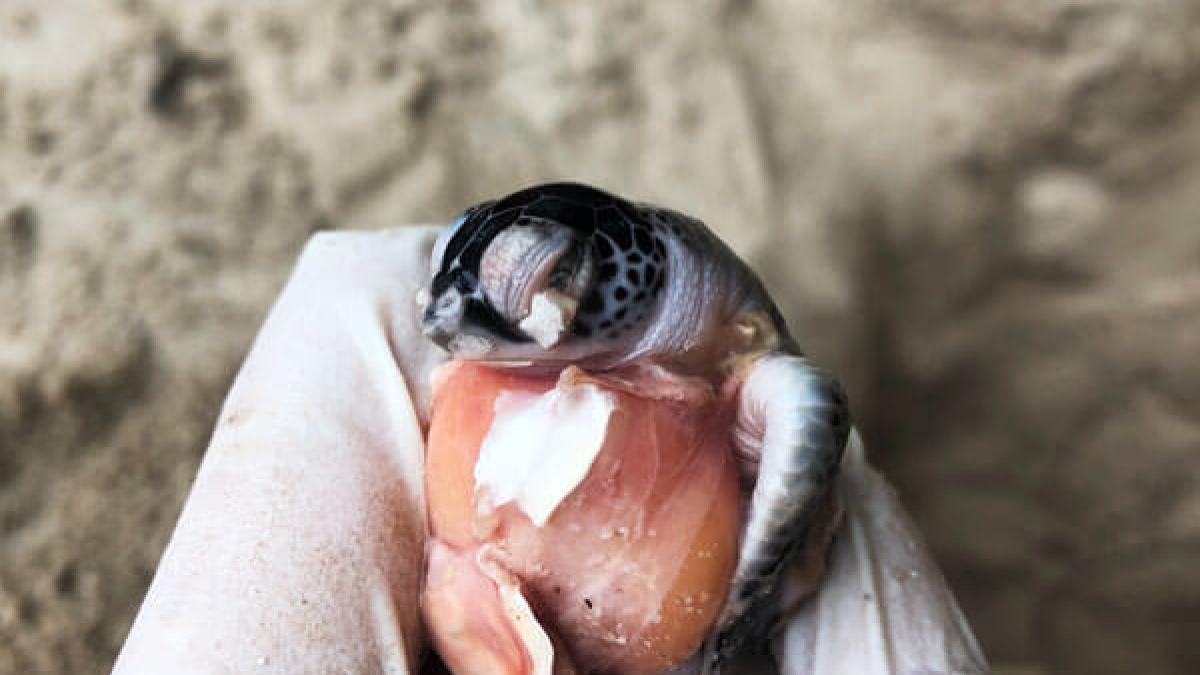
The controversy in Sabah centred around concerns over animal handling during the tagging process. Footage appeared to show a turtle being restrained, lifted, and handled in ways that many divers and observers found distressing.

For those outside the scientific community, this triggered an understandable reaction. If conservation work is meant to protect wildlife, then the methods used should also reflect care, restraint, and professionalism.
At the same time, it is worth being careful. A short clip rarely shows the full context of a field operation, and not every observer will understand the research objective, protocol, or constraints involved.
That is exactly why transparency matters.
When wildlife research methods appear harsh, poorly explained, or inconsistent with best practice, trust breaks down quickly.
The ethical question at the heart of it
Wildlife research often involves a difficult trade-off. A temporary intervention may be justified if it produces meaningful conservation value. But that case becomes much weaker if the procedure creates unnecessary stress, avoidable harm, or questionable scientific benefit.
This is where ethics should not be an afterthought.
Any tagging programme should be able to answer a few basic questions clearly:
Why is this method necessary?
Is it the least invasive option available?
Who is supervising the process?
Are the handlers properly trained?
What safeguards are in place to minimise stress or injury?
What conservation outcome justifies the intervention?
If those questions cannot be answered convincingly, then criticism is fair.
Stress, injury, and animal welfare concerns
Even without claiming expert authority, it is reasonable to say this: how animals are handled matters.
Improper restraint, rough lifting, excessive handling time, or unnecessary disturbance can create stress and increase the risk of injury. In marine animals, this can affect behaviour, feeding, movement, and recovery after release.
Sea turtles are already under pressure from a wide range of threats including fishing bycatch, poaching, habitat loss, marine debris, boat strikes, and pollution. Conservation programmes should reduce pressure on these animals, not add to it carelessly.
That does not mean all tagging is harmful. It means the burden is on conservation operators and researchers to show that methods are responsible, proportionate, and aligned with animal welfare standards.
Not all conservation programmes are equal
This is where travellers and volunteers need to be more discerning.
Marine conservation tourism and volunteer-based wildlife programmes can be meaningful and educational. At their best, they help fund research, build awareness, and create positive engagement with the marine environment.
At their worst, they can drift into performance-based conservation, where the experience is shaped more for participant excitement than for scientific integrity or animal welfare.
That is where caution is needed.
If a programme allows tourists or volunteers to participate in sensitive wildlife handling without clear training, strong supervision, and a defined scientific purpose, it deserves scrutiny.
Questions to ask before joining a turtle tagging programme
If you are considering joining a marine conservation trip or volunteer programme, it is worth asking a few basic questions first:
What is the objective of the programme?
Is it supporting a real research effort, a population monitoring initiative, or a recognised conservation body? Or is it mainly packaged as an experience?
Who runs it?
Look for credible operators, NGOs, universities, research institutions, or government-linked conservation bodies with a clear track record.
What is the volunteer's role?
There is a big difference between helping with observation, data recording, beach patrols, or education versus directly handling wildlife.
How are turtles handled?
Any answer should sound measured, professional, and clearly designed to minimise stress and harm.
What happens to the data?
A credible conservation programme should be able to explain how data is used, who benefits from it, and what outcomes it supports.
Are there less invasive alternatives?
This depends on the study.
In some cases, physical tagging may still be appropriate. In others, less invasive techniques such as photo identification, monitoring of nesting activity, remote observation, or other non-contact methods may be viable alternatives or complements.
The point is not that every traditional method is automatically wrong. The point is that conservation practice should evolve when better, safer, or less invasive options are available.
Ethical research is not static. It should improve over time.
Why this matters in Malaysia
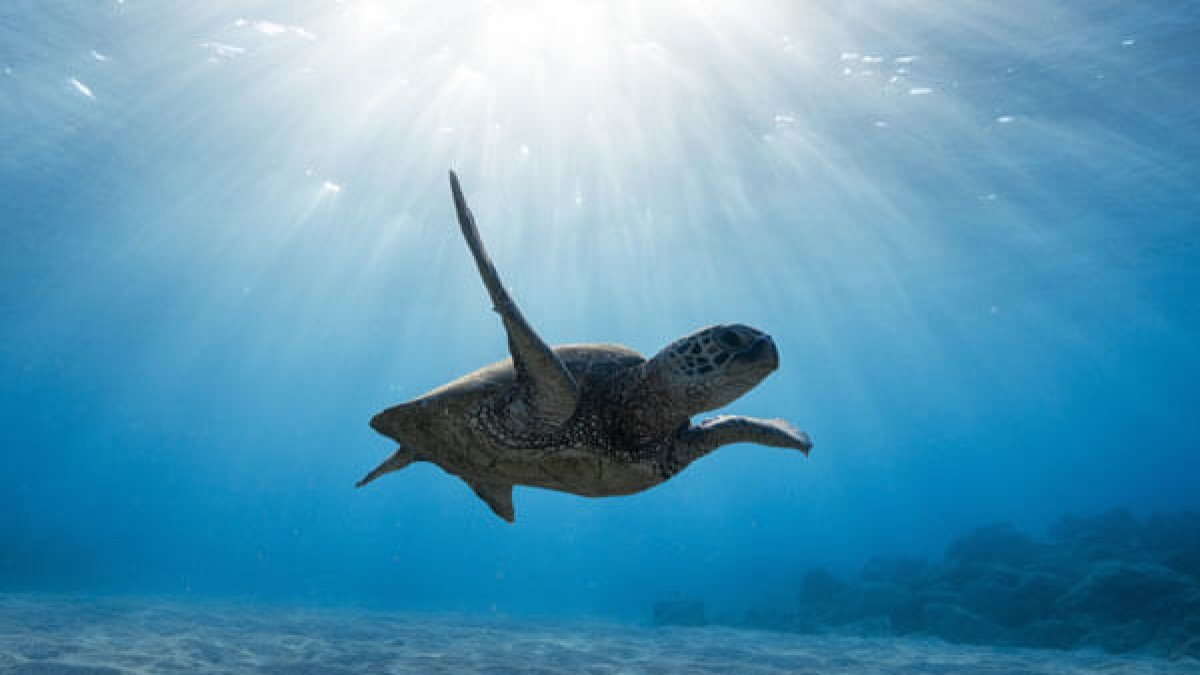
Malaysia is home to four of the world’s seven sea turtle species, and several are globally threatened. That alone makes responsible conservation especially important.
If tagging and monitoring programmes are to retain public trust, they must be seen as rigorous, ethical, and genuinely protective of wildlife. Local communities, dive professionals, conservation groups, and authorities all have a role to play in keeping standards high.
That includes being willing to re-evaluate practices when concerns are raised.
In that sense, public discomfort is not necessarily a bad thing. Sometimes it is what prompts better oversight, stronger protocols, and more thoughtful conservation work.
How divers and travellers can help turtles more responsibly
You do not need to handle a turtle to contribute to turtle conservation.
There are simpler and often more consistently valuable ways to help:
Avoid wildlife harassment
If you encounter a turtle while diving or snorkelling, keep a respectful distance and never chase, touch, block, or corner it.
Do not support the turtle trade
Avoid any activity connected to turtle eggs, turtle meat, shell products, or wildlife souvenirs.
Reduce marine pollution
Single-use plastics, litter, and discarded fishing gear remain major threats to marine life.
Support credible conservation organisations
Choose projects and partners with clear conservation goals, responsible practices, and transparent communication.
Share awareness carefully
Help others understand the pressures turtles face, but avoid spreading sensational claims without context.
Conservation should protect, not compromise
Sea turtle research matters. Conservation science matters. But ethics matter too.
The credibility of marine conservation depends not only on intention, but on method. If wildlife is to be handled in the name of protection, then the standard should be high, the purpose should be clear, and the welfare of the animal should never be treated as secondary.
That is the line worth defending.
And for travellers, divers, and volunteers, the takeaway is simple: support conservation that is thoughtful, transparent, and genuinely worthy of the wildlife it claims to protect.