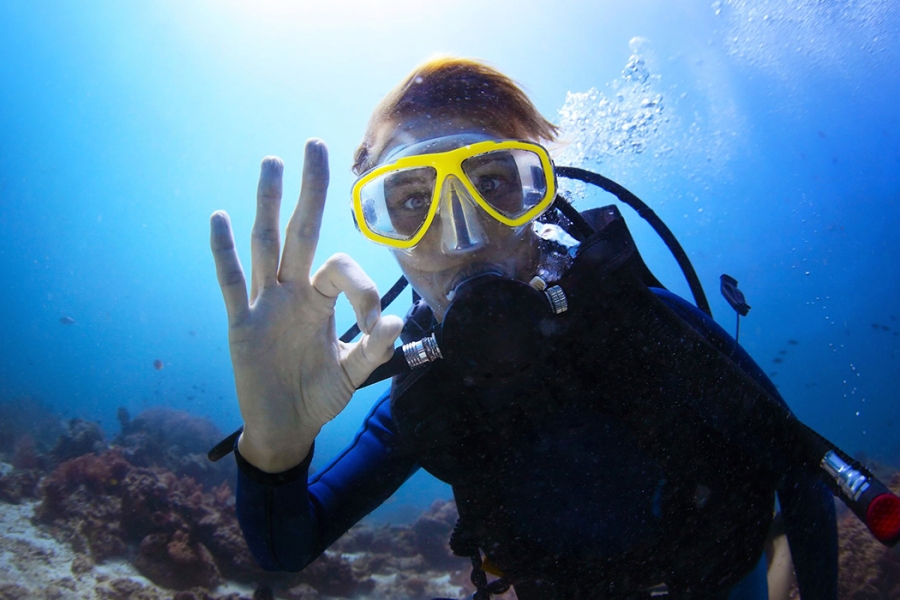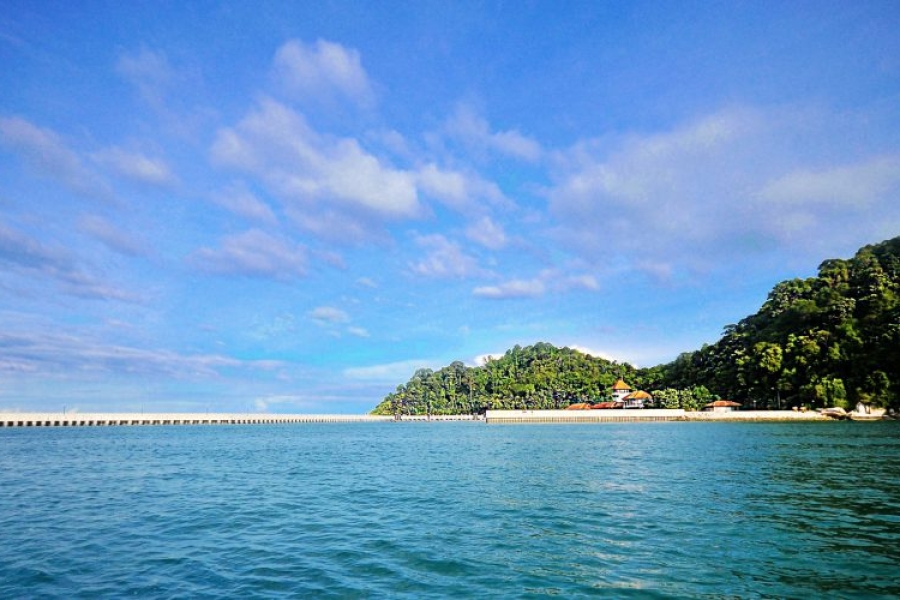

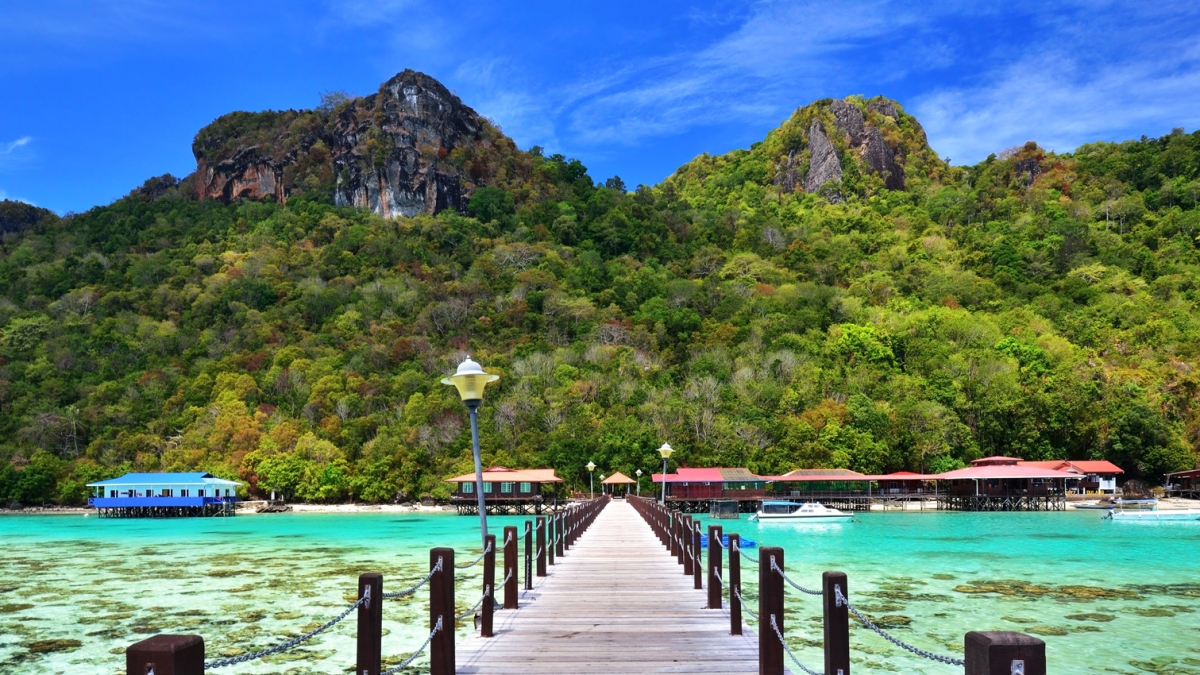
Malaysia is one of the most diverse dive destinations in Southeast Asia, yet it is still underestimated by many travellers planning regional dive trips.
That is a shame, because few countries offer this combination of accessibility, biodiversity, warm water, broad certification fit, and destination variety in one place. Whether you are drawn to world-famous walls, macro-rich muck sites, laid-back island reefs, schooling pelagics, or beginner-friendly resort diving, Malaysia offers a surprisingly wide spectrum.
Set at the heart of Southeast Asia, Malaysia spans Peninsular Malaysia and East Malaysia on the island of Borneo. Its waters stretch across the Straits of Malacca, South China Sea, Sulu Sea, and Celebes Sea, and its eastern marine regions sit within the wider Coral Triangle, one of the world’s richest centres of marine biodiversity.
If you are trying to understand where to start, this guide gives you the big picture.
What this guide is for:
This guide is for divers planning a trip to Malaysia and wanting a practical overview of the country’s main diving regions, seasonal patterns, dive styles, and standout destinations before drilling deeper into individual locations.
Key Takeaways
- Malaysia offers a wide mix of diving styles, from beginner-friendly island diving to advanced walls, macro diving, wrecks, and pelagic encounters
- The country is best understood in regional terms: Peninsular East Coast, Peninsular West Coast, Sabah, and selected offshore destinations
- Sipadan remains the signature name, but it is far from the whole story
- Seasonality matters, especially on the east coast of Peninsular Malaysia
- Malaysia is especially strong for divers who want warm water, relatively easy logistics, and good variety without needing one single “extreme” dive style
Why dive in Malaysia?
Malaysia stands out because it offers range without excessive complexity.
Some countries are famous for one iconic region but thinner elsewhere. Malaysia is different. It has flagship names such as Sipadan, Mabul, Tioman, Perhentian, and Layang-Layang, but it also has a broader spread of island, reef, muck, wreck, and coastal diving that makes it suitable for different budgets, experience levels, and trip styles.
It also helps that Malaysia is generally easy to navigate as a travel destination. English is widely used, domestic air links are strong, and many dive locations are accessed through established resort or island logistics rather than extremely remote expedition-style travel.
That does not mean every destination is equally easy. It does mean Malaysia is one of the more approachable places in the region for building a dive itinerary.
Understanding Malaysia’s dive regions
The easiest mistake is to think of Malaysia as one single dive destination. It is better understood as several distinct diving regions with different personalities.
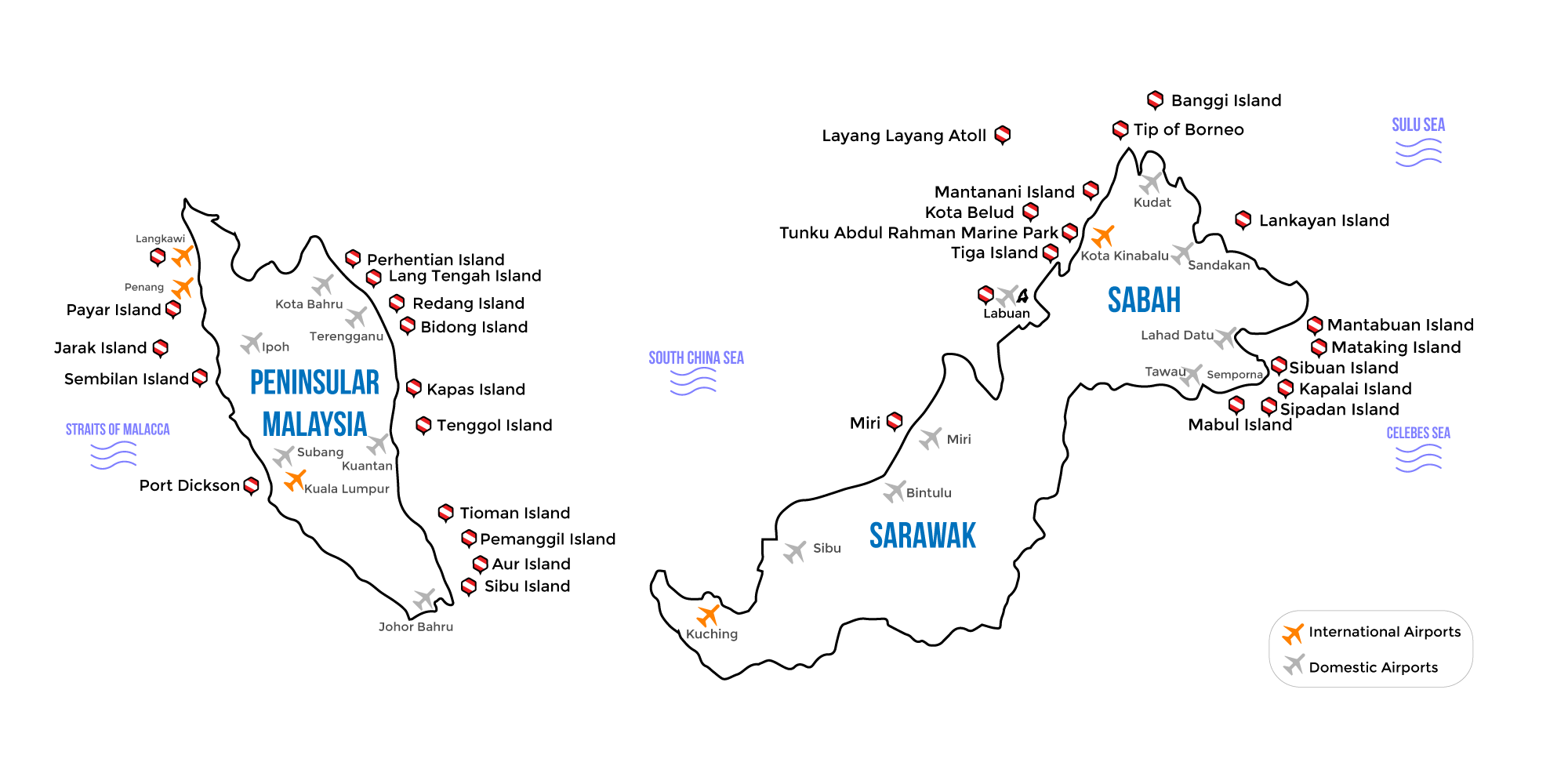
1. Sabah: Malaysia’s headline diving region
For many international divers, Sabah is the region that first puts Malaysia on the map.
This is where you find:
Sipadan, famous for steep walls, turtles, reef sharks, schooling barracuda, and big-fish energy
Mabul, one of the region’s best-known macro and muck diving destinations
Kapalai, often paired with Mabul and Sipadan in trip planning
Layang-Layang, an offshore atoll known for more advanced, season-sensitive diving and its pelagic appeal
other Sabah locations with their own mix of reefs, wrecks, and marine character
If your priority is iconic diving, high marine life density, or combining wide-angle and macro in one trip, Sabah is often where the conversation starts.
2. Peninsular Malaysia’s east coast: the broad all-rounder
This is where a lot of domestic and regional holiday diving happens.
The east coast offers some of Malaysia’s most approachable island diving, with destinations such as:
Tioman
Perhentian
Redang
Tenggol
surrounding smaller islands and reef systems
This region tends to work especially well for:
beginner and intermediate divers
certification trips
relaxed resort-based dive holidays
travellers mixing diving with beach time and island leisure
It may not always carry the same international mystique as Sipadan, but it is central to Malaysia’s actual dive identity.
3. Peninsular west coast: more misunderstood than celebrated
Malaysia’s west coast is often overlooked because it does not match the postcard expectations people attach to clearer eastern waters.
But west coast diving should be understood on its own terms. Conditions, visibility, and water colour differ, and in some areas the marine environment is shaped by more productive, greener waters. That does not automatically make it inferior, just different.
This region is more niche from a diving-holiday perspective, but it still matters in the fuller Malaysian diving picture.
4. Sarawak and lesser-covered areas
Sarawak is less commonly positioned as the country’s flagship dive region, but that does not mean it lacks relevance.
Malaysia’s signature dive destinations
Sipadan
Sipadan is Malaysia’s most internationally recognised dive name, and for good reason. It is widely associated with dramatic walls, large schools, turtles, sharks, and fast-moving marine life that can make a single day feel packed with action. It remains one of the country’s most sought-after diving experiences.
Mabul
Mabul offers a very different kind of magic. Rather than dramatic walls and blue-water spectacle, it is celebrated for macro life, unusual critters, and slower, more observant diving. This makes it one of Malaysia’s most important contrast destinations, and one of the best reasons not to reduce the country’s diving story to Sipadan alone.
Tioman
Tioman remains one of Peninsular Malaysia’s anchor dive destinations, known for combining island holiday appeal with strong all-round recreational diving. It is one of the easier names for new divers and general travellers to understand quickly because it sits at the intersection of diving, beaches, and broader holiday accessibility.
Perhentian
Perhentian is another major east coast name, often associated with accessible island diving, good holiday energy, and broad appeal across backpackers, casual divers, and leisure travellers. It belongs firmly in any national diving overview because it reflects how many people actually experience Malaysian island diving.
Layang-Layang
Layang-Layang carries a more specialist aura. It is more remote, more seasonal in the public imagination, and more strongly tied to advanced-destination interest and pelagic expectations. It gives Malaysia an offshore, high-interest edge that broadens the country’s profile beyond standard resort diving.
What kind of diving can you expect in Malaysia?
Malaysia is not a one-note destination. Depending on where you go, you can find:
wall diving
macro and muck diving
island reef diving
wreck diving
drift and current-influenced dives
beginner certification environments
more advanced destination experiences
Most recreational diving in Malaysia is still boat-based and guide-led, often tied to island resorts, mainland jetty departures, or integrated dive-and-stay packages. That makes trip planning relatively straightforward compared with destinations where logistics are much more fragmented.
When is the best time to dive in Malaysia?
This depends on region.
Malaysia has a tropical climate with warm weather year-round, and Tourism Malaysia materials describe the country as warm throughout the year, with temperatures broadly around 21°C to 32°C.
But diving seasonality is not uniform nationwide.
Peninsular east coast
This is the region where seasonality matters most. Conditions are generally strongest outside the northeast monsoon period, so many east coast islands operate most actively during the core season rather than year-round.
Sabah
Sabah is often more flexible from a travel planning standpoint and is less defined by the same east coast Peninsular monsoon closure pattern. Sabah Tourism generally frames March to September as the best time to visit for drier conditions, though travel remains possible outside that period as well.
Offshore or specialised destinations
Places such as Layang-Layang can be more specifically seasonal or operator-dependent.
One more timing factor many visitors overlook
Beyond weather and monsoon patterns, Malaysia’s public holidays, long weekends, and school holiday periods can also affect availability and pricing. Even outside peak international travel windows, popular dive destinations may fill up quickly during domestic holiday periods, especially for ferries, island accommodation, and sought-after resorts.
If your travel dates fall around these periods, it is worth booking earlier than you might expect.
Water temperature, visibility, and what to wear
Malaysia is largely a warm-water diving destination.
For many divers, conditions are comfortable enough for a rash guard or lighter exposure protection, while others will prefer a 3mm wetsuit for comfort over multiple dives. Water temperature varies by location and time of year, but the overall expectation is warm tropical diving rather than cold-water exposure management.
Visibility is also highly location-dependent. Some sites can be bright and clear, while others are more productive, greener, or seasonally variable. It is better to think in regional terms than to expect one uniform “Malaysia visibility” number.
Is Malaysia good for beginners?
Yes, very much so, but with caveats.
Malaysia is strong for beginners because:
warm water helps
many destinations are resort-based and operationally straightforward
there are lots of established training environments
there is broad access to guided recreational diving
That said, not every Malaysian destination is beginner-first. Some places are better for relaxed learning, while others are more suitable for experienced divers or for very specific goals. One of the strengths of the country is that it can accommodate both.
Is Malaysia still interesting for experienced divers?
Also yes.
Experienced divers may come for very different reasons:
iconic Sipadan days
critter-heavy Mabul trips
remote offshore interest
destination-combining itineraries
wreck or current-based site selection
simply the chance to build a varied trip in one country
Malaysia may not always be marketed with the same “extreme expedition” energy as some other destinations, but that is partly why it works. It offers depth without needing to perform as something it is not.
How to choose the right Malaysian dive destination
A useful way to narrow it down:
Choose Sabah if you want:
the headline names
pelagic interest
iconic walls
serious macro around Mabul
a stronger “bucket list” feel
Choose Peninsular east coast if you want:
a more relaxed island holiday
beginner-friendly diving
certification trips
accessible resort-style diving
easier balance between beach and dive time
Choose by dive style, not just by fame
This matters more than many people think. A diver obsessed with macro may get more joy from Mabul than from chasing a famous name just because it sounds prestigious. A beginner may have a much better trip in Tioman or Perhentian than trying to build everything around one marquee site.
Insider insight
Malaysia’s real strength is not just that it has famous dive sites. It is that it gives divers multiple ways to build a good trip, whether they want iconic diving, softer holiday diving, macro-focused diving, or an easy entry into the sport.
Planning considerations before you book
Before locking in a trip, it helps to think through:
your certification level
whether the trip is dive-first or holiday-first
how many days you realistically have
whether your priority is macro, pelagics, reefs, or mixed diving
seasonal fit by region
transfer complexity
whether you want a single base or a multi-stop itinerary
These are exactly the kinds of variables that make Malaysia rewarding, but also why generic internet lists are often not enough.
Common Questions
Is Malaysia good for scuba diving?
Yes. Malaysia is one of Southeast Asia’s strongest all-round dive destinations, particularly for divers who value variety, warm water, and relatively accessible logistics.
What is the best place to dive in Malaysia?
There is no single answer. Sipadan is the headline name, but the best choice depends on whether you want macro, pelagics, relaxed island diving, training, or a broader holiday mix.
When is the best time to dive in Malaysia?
It depends on region. Peninsular east coast seasonality is more pronounced, while Sabah tends to be more flexible across the year, with drier travel conditions often highlighted from March to September.
Is Malaysia suitable for beginner divers?
Yes, many Malaysian destinations are very beginner-friendly, especially warm-water resort and island locations.
Do I need to plan far ahead for places like Sipadan?
Yes. High-demand destinations such as Sipadan should be planned earlier, especially when permits are involved.
Planning a dive trip to Malaysia?
We help divers compare destinations, seasons, permits, and operator options across Malaysia, so you can plan with more clarity and less guesswork. Get in touch with Scubahive to start planning the right trip for your travel window, budget, and diving goals.
Final thought
Scuba diving in Malaysia is far more than one famous island.
It is a country of contrasts: east coast island ease, Sabah spectacle, macro treasures, warm-water accessibility, and enough regional difference to keep repeat trips interesting. That is what makes it such a strong destination overall.