

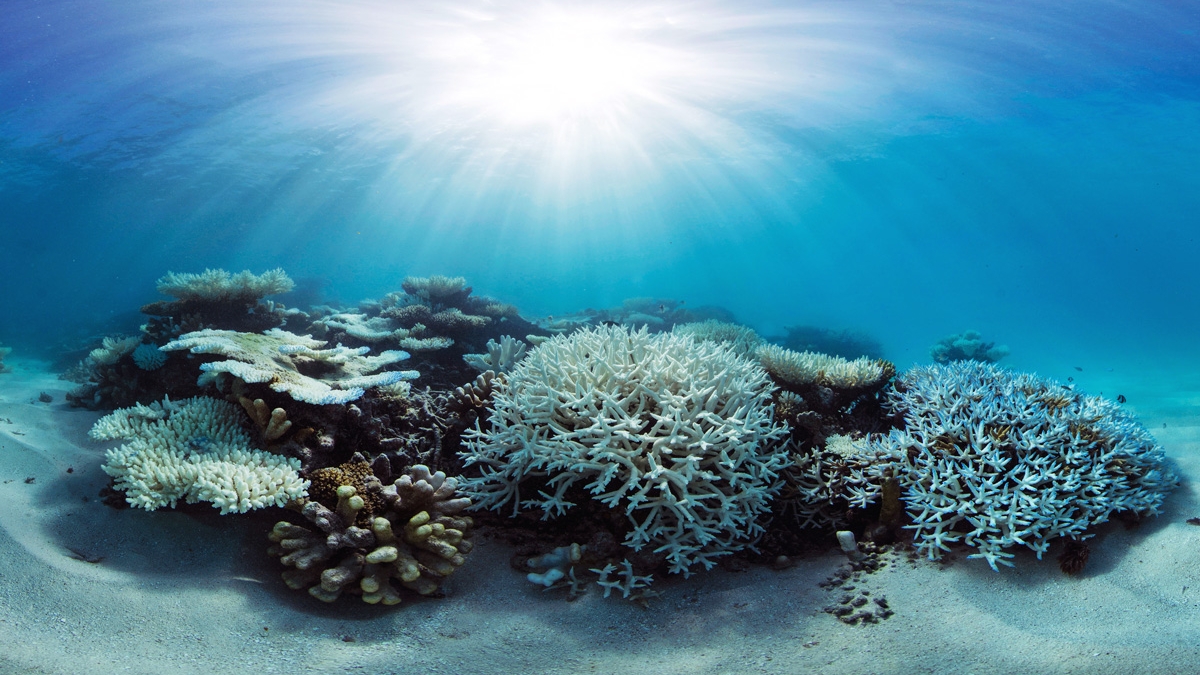
A reef covered in white can look almost magical at first.
For new divers especially, it may even seem beautiful. Some describe it as looking like snow underwater or a kind of winter reef scene. But in many cases, that white appearance is not a natural seasonal transformation. It is a warning sign.
What you may be seeing is coral bleaching, a stress response that can leave reefs weak, vulnerable, and at risk of dying if conditions do not improve.
What this article is for:
- Divers, snorkellers, and marine travellers who want to better understand what it means when a reef looks white, pale, or washed out underwater.
Key Takeaways
- Reefs do not naturally become "snow-capped" in the way mountains do
- A white or pale reef is often a sign of coral bleaching
- Coral bleaching happens when corals become stressed, most commonly by unusually warm sea temperatures
- Bleached coral is not always dead, but it is under serious stress
- Divers and travellers can help by practising better reef etiquette and making lower-impact choices
So, are snow-capped reefs a real phenomenon?
Not in the literal sense.
Coral reefs do not go through a normal winter cycle where they become white and then return on schedule like snow-covered landscapes. When reefs look white, the most common explanation is that the coral has bleached.
That whitening happens when corals lose the tiny algae living inside their tissues, known as zooxanthellae. These algae are what give corals much of their colour and help provide energy through photosynthesis.
When corals are stressed, they may expel these algae. What remains visible underneath is the coral’s pale calcium carbonate skeleton, which is why the reef can appear bright white.
Why coral reefs matter so much?
Coral reefs support far more life than their footprint suggests.
Although they cover only a tiny fraction of the ocean floor, reefs support an enormous range of marine biodiversity. They provide habitat, breeding grounds, shelter, and feeding areas for many species of fish and invertebrates.
They also matter beyond the underwater world. Healthy reefs help protect coastlines by reducing wave energy, support fisheries and tourism economies, and contribute to scientific and medical research.
So when reefs bleach, the damage is not only ecological. It can also affect livelihoods, coastal resilience, and the long-term appeal of marine destinations.
What causes coral bleaching?
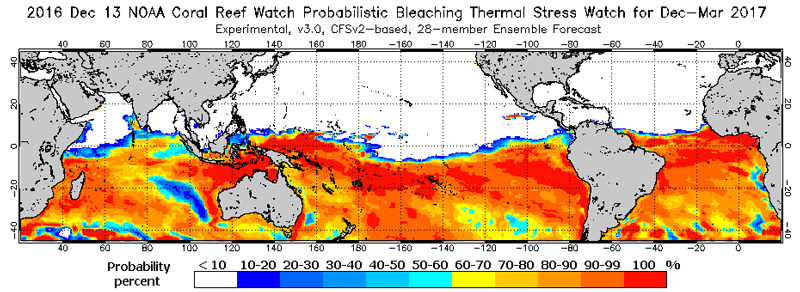
The biggest driver is usually prolonged heat stress.
When sea temperatures stay too high for too long, corals come under stress. In response, they expel the algae they rely on. Without those algae, corals lose both colour and an important source of nutrition.
Other stressors can make bleaching more likely or make recovery harder, including:
poor water quality
sedimentation and coastal runoff
overfishing and ecosystem imbalance
ocean acidification
destructive tourism behaviour
physical damage from contact, anchors, or careless finning
Bleaching is often linked to wider climate conditions, which is why mass bleaching events have become a major global concern.
Does white coral mean the reef is dead?
Not always.
A bleached coral is stressed, but it may still be alive. If conditions improve quickly enough, some corals can recover and regain their algae over time.
But that recovery is not guaranteed.
Bleached coral becomes more vulnerable to disease, reduced growth, and eventual mortality. If heat stress continues or other pressures remain high, the coral may die.
That is why bleaching should not be viewed as a cosmetic change. It is an ecological warning sign.
Why some divers mistake bleaching for something beautiful?
Because at first glance, it can look striking.
A pale or glowing white reef can seem clean, bright, and unusual, especially to newer divers who have never seen healthy coral colouration at its full richness. Without context, it is easy to misread bleaching as a natural variation rather than distress.
That is one reason marine education matters. The more divers and travellers understand what they are looking at, the more likely they are to appreciate both the beauty and fragility of reef systems.
Insider Insight
Many reef problems do not look dramatic in the moment. A diver may not realise they are seeing stress until they understand what a healthy reef should look like. In that sense, coral bleaching is one of the clearest examples of how marine knowledge changes the way you experience a dive.
Can sunscreen harm coral reefs?
Potentially, yes.
Some sunscreen ingredients have raised concern for their environmental impact, particularly in high-tourism areas. That does not mean sunscreen should be avoided entirely, but it does mean divers and beachgoers should be more thoughtful about what they use.
Physical sun protection such as rash guards, cover-ups, and timing sun exposure carefully can reduce reliance on sunscreen. When sunscreen is needed, choosing reef-conscious options is a more responsible move.
What divers and travellers can do to help?
No single traveller can solve coral bleaching, but individual behaviour still matters, especially in fragile marine environments.
Practice good reef etiquette
Do not touch, stand on, kick, or hold onto coral. Maintain buoyancy control and stay aware of your fins and equipment.
Reduce avoidable pollution
Cut down on single-use plastics, dispose of waste properly, and avoid letting chemicals enter waterways wherever possible.
Make better sun protection choices
Use clothing-based sun protection where practical and choose more reef-conscious sunscreen options when needed.
Support responsible operators
Choose dive centres and marine tourism businesses that brief guests properly, discourage reef contact, and take environmental care seriously.
Learn and share
Understanding reef systems makes you a better diver and a more responsible traveller. It also helps you explain these issues more clearly to others.
Common Questions
Is all white coral bleached coral?
Not necessarily. Some corals are naturally lighter in colour, and dead coral can also appear pale or white. But when large reef areas look washed out or unnaturally bright, bleaching is a major concern.
Can coral recover after bleaching?
Yes, some coral can recover if stressful conditions ease soon enough. Recovery depends on severity, duration, and the overall health of the reef system.
Is coral bleaching only caused by climate change?
Climate-driven heat stress is one of the biggest causes, but local stressors like pollution, poor water quality, and physical damage can also contribute.
Should divers avoid bleached reefs?
Not automatically. Visiting responsibly can still support marine tourism economies, but divers should be mindful, well-briefed, and realistic about the fragility of stressed reef systems.
Final thought
A white reef may look beautiful for a moment, but it is often beauty with a warning attached.
Understanding coral bleaching changes the way we see the underwater world. It reminds us that reefs are not static scenery. They are living systems under pressure, and their survival depends on what happens both in the ocean and on land.
The hopeful part is this: bleaching does not always mean the end. But recovery becomes far more possible when travellers, operators, communities, and policymakers all take reef health seriously.
The more we understand, the better we dive, travel, and protect what we came to see.