
Learning to scuba dive is one of those experiences many people remember for years.
It is exciting, a little intimidating at first, and often the beginning of a much bigger journey. But for beginners comparing options in Malaysia, one question tends to come up quickly: how do you find a cheaper scuba course without ending up with the wrong one?
The answer is not simply to choose the lowest advertised price.
A cheaper course can still be good value, but only if you understand what is included, what is not, and where cutting costs starts to affect training quality or safety.
What this article is for:
This quick guide is for beginners comparing scuba diving courses in Malaysia and trying to balance cost, value, and training quality.
Key Takeaways
- The cheapest advertised course is not always the cheapest total option
- What is included matters as much as headline price
- Instructor attention, course pacing, and safety should matter more than saving a small amount
- You can lower costs sensibly through room sharing, group bookings, and smarter package choices
- Good value and low quality are not the same thing
Start with the right question
Instead of asking, “What is the cheapest scuba course I can find?”, ask:
What is the best-value beginner course I can get without compromising on safety and learning quality?
That shift matters, because some courses look cheap only until the hidden costs start appearing.
What affects the price of a scuba diving course?
Course pricing can vary depending on:
destination
whether accommodation is included
room type
instructor format, such as private or group
boat transfers and logistics
equipment rental
course materials and certification fees
That means two courses with very different price tags may not actually be offering the same thing.
What to check before comparing prices
1. What course are you actually getting?
Make sure you are comparing the same certification level.
A beginner may think they are booking an Open Water Diver course, when the package is actually for a more limited Scuba Diver programme or something structured differently.
Always confirm the exact course name and what certification it leads to.
2. What is included in the price?
This is where “cheap” can become misleading.
Check whether the quoted price includes:
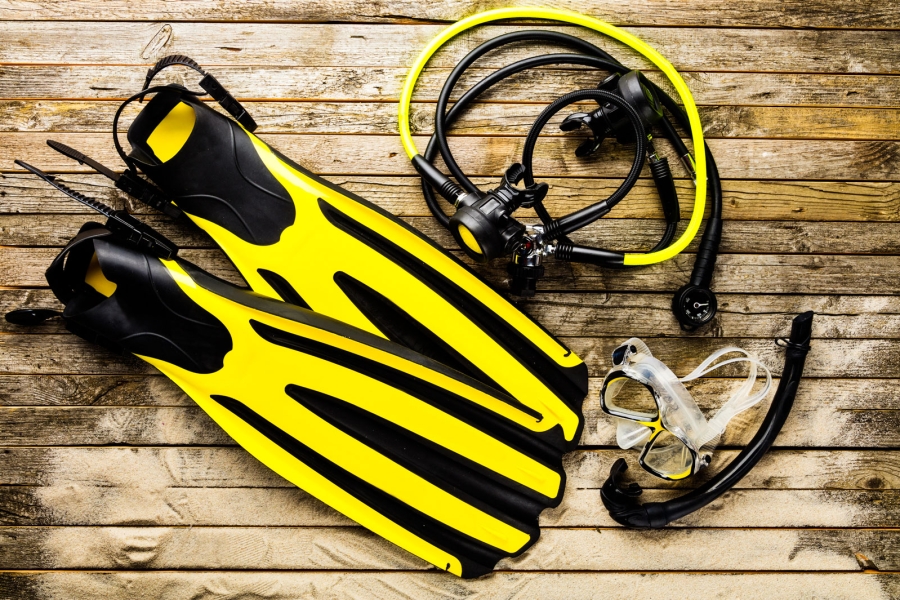
dive equipment
course materials
certification fees
boat fees
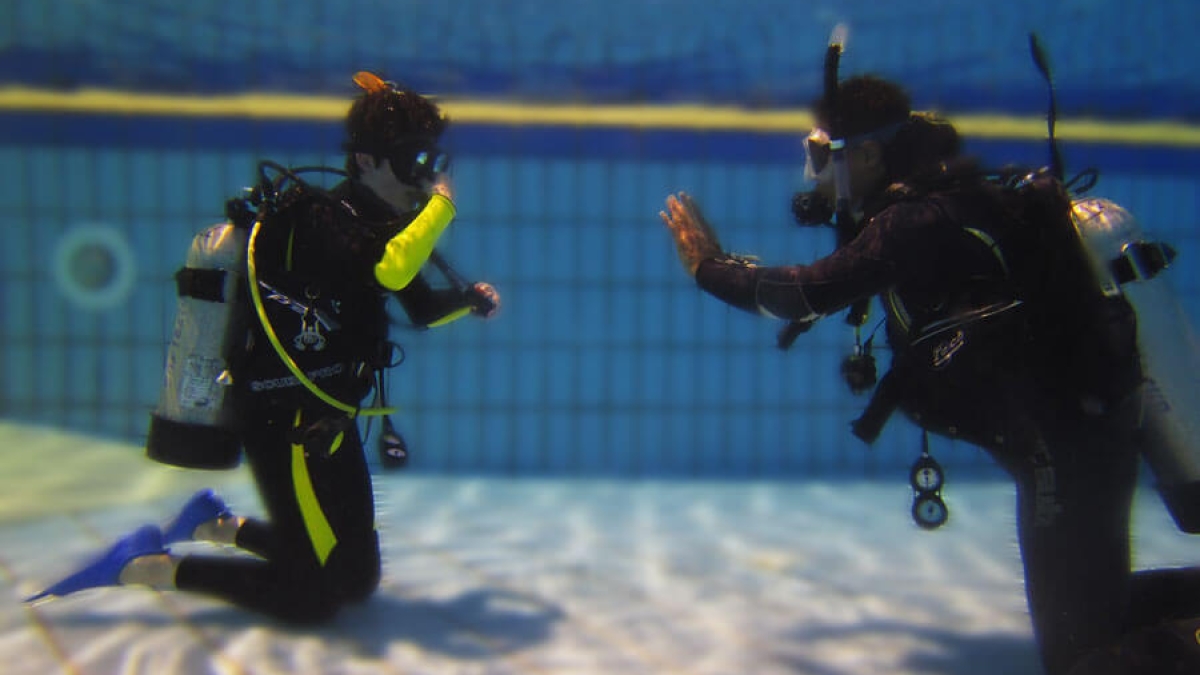
pool or confined water sessions
accommodation
meals
transfers
A lower starting price can quickly lose its appeal once add-ons are factored in.
3. What is the instructor-to-student ratio?
Smaller groups often mean more attention, more feedback, and a more comfortable learning experience, especially for nervous beginners.
A very cheap course may be cheap partly because the teaching load is stretched.
4. How long is the course?
A rushed course is not automatically a bad one, but beginners generally benefit from having enough time to absorb the skills properly.
If one option is noticeably shorter, find out whether it genuinely fits the required standard or simply compresses the experience too aggressively.
5. What does it cost to get there?
Travel time and logistics matter.
Sometimes a course looks cheaper on paper, but once you add transport, extra nights, or inconvenient connections, the overall trip cost is no longer attractive.
How to lower costs without lowering standards
Join with friends
Some dive centres offer better pricing for small groups. Even where the discount is modest, splitting logistics and accommodation can still reduce total cost.
Share accommodation
If the package includes several nights, sharing a room can bring down the trip cost meaningfully.
Choose a simpler room category
If you are on a tighter budget, it usually makes more sense to downgrade the room than to downgrade the instruction quality.
A less premium room is a far better compromise than a rushed or poorly run course.
Compare total package value, not just the headline price
A course that looks slightly more expensive may actually be the better deal once you include equipment, certification fees, transfers, and accommodation.
Where not to cut corners
This part matters most.
Do not save money by overlooking:
safety culture
instructor quality
clear communication
realistic course structure
operator credibility
A beginner course is your foundation. If the training is weak, the consequences do not stop when the holiday ends.
Insider tip
If budget is tight, cut on comfort before cutting on teaching quality.
Cheap does not always mean bad, and expensive does not always mean good
This is worth saying clearly.
A lower-cost course is not automatically poor quality, and a premium-priced course is not automatically excellent. What matters is whether the operator is transparent, the structure makes sense, and the training feels properly delivered.
That is why research matters. The best value usually sits somewhere between suspiciously cheap and unnecessarily expensive.

Common Questions
Is it safe to book a cheaper scuba course?
It can be, as long as the operator is reputable, the course is properly structured, and the inclusions are clear.
What is the biggest mistake beginners make when comparing prices?
Focusing too much on the headline rate and not enough on what is actually included.
Should I choose a private instructor or a group course?
That depends on budget, comfort level, and schedule. Private instruction offers more flexibility and attention, but usually costs more.
Is accommodation quality worth paying more for?
Only if it matters to you. If budget is the priority, room category is usually a safer place to economise than course quality.
Final thought
There is nothing wrong with wanting a more affordable scuba diving course.
The key is to look for good value, not just the lowest number on a page. A better beginner experience usually comes from asking the right questions, understanding the real total cost, and avoiding the temptation to save small amounts in the wrong places.
Done well, your first course is not just a purchase. It is the start of how you learn to dive properly.