
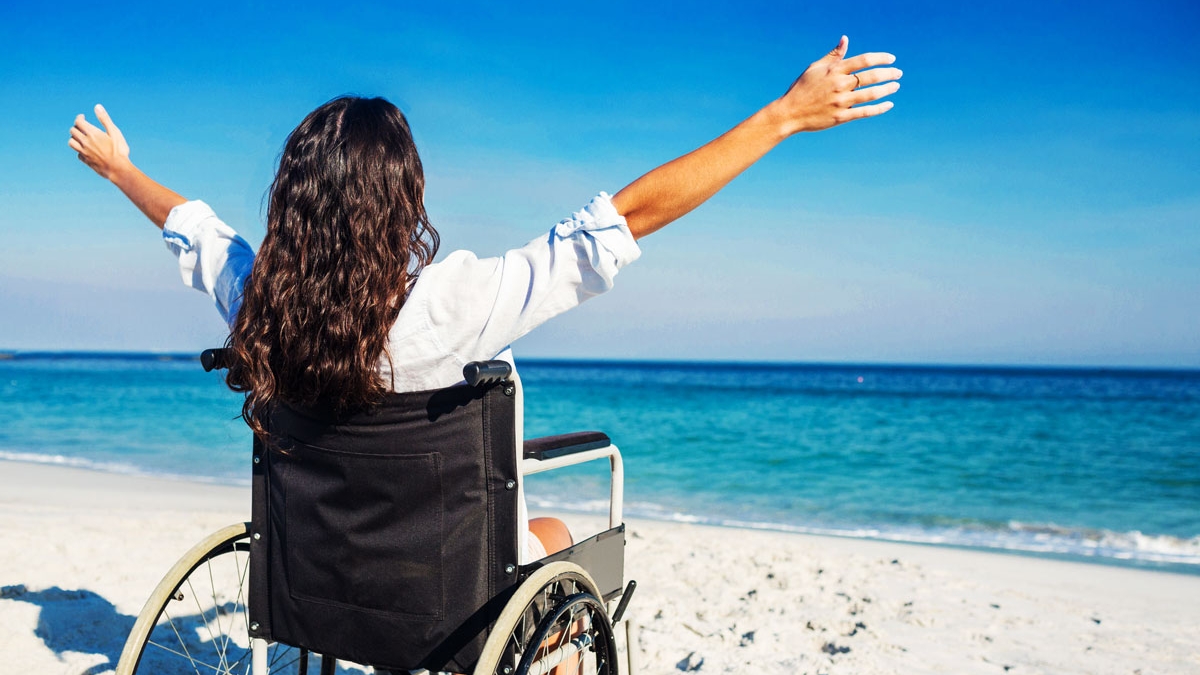
“No one is handicapped underwater. At the end of the day, we’re all divers.”
That idea sits at the heart of adaptive diving. Underwater, many of the limits people experience on land can feel less defining. The water offers a rare sense of weightlessness, freedom, and possibility, opening the door for more people to experience the joy of scuba diving.
In Malaysia, one meaningful example of this spirit came through My Special Dive Buddy, an initiative that gave people with physical disabilities the opportunity to discover diving in a safe, supported environment. More than just a one-off event, it was a reminder that diving can be inclusive, empowering, and deeply human.
A community effort with a bigger purpose
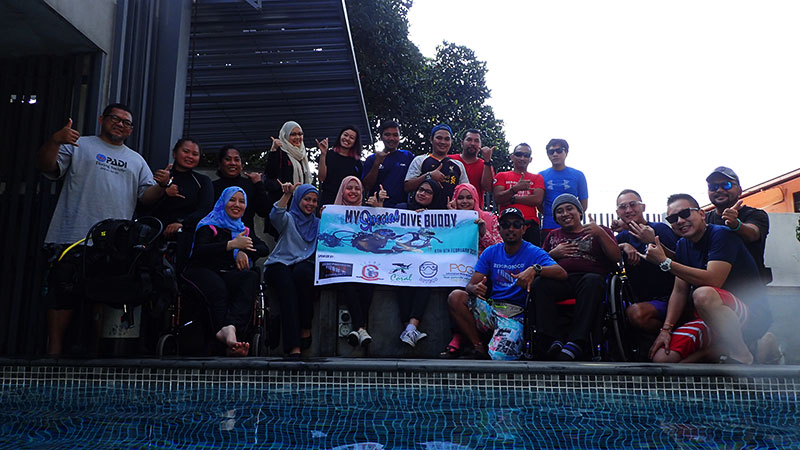
On 9 February 2017, Scubahive was invited to attend My Special Dive Buddy, an event organised by Zero Protocol Community, ND Divers, ScubaG, Tenggol Coral Beach Resort, and PCG Group, with support from Cheras Rehabilitation Hospital.
The initiative brought together dive professionals, organisers, supporters, and participants around a simple but powerful idea: more people deserve the chance to experience the underwater world.
We had the opportunity to speak with Captain Mohd Efenddy of Zero Protocol Community, one of the people behind the initiative. His words captured the spirit of the event perfectly:
“We don’t care who you are or what your situation is. When we’re underwater, we’re divers. Never dive alone, we help each other.”
That mindset reflects what diving is meant to be at its best. It is not only about skill, adventure, or certification. It is also about trust, teamwork, and shared experience.
Zero Protocol Community, formed by Malaysian military assault divers, was created with the aim of building an open community where people can take part in both diving and non-diving activities. Efforts like this show how powerful that mission can be when it is put into action.
Can people with physical disabilities scuba dive?
Yes, many can, with the right training, support, medical clearance where appropriate, and adaptive instruction.
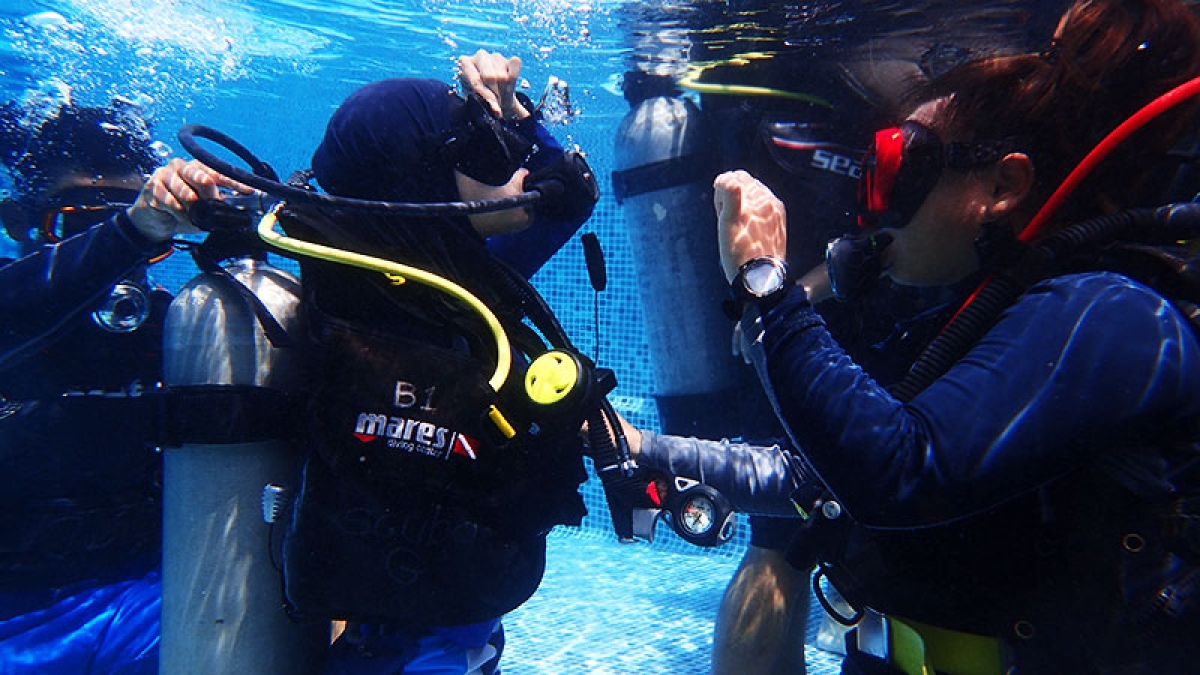
A diver with a physical disability still learns core scuba principles such as buoyancy, breathing control, safety procedures, communication, and buddy awareness. The approach may be adapted to suit the individual’s needs, but the foundations of diving remain the same.
What matters most is not whether every diver enters the water in the same way. What matters is that training, support systems, and dive planning are built around the diver’s capabilities and safety.
Common questions about adaptive diving
How do adaptive divers stay neutrally buoyant?
Like other divers, buoyancy is largely managed through breathing control, weighting, and use of the BCD. In some cases, trim and positioning may require additional adjustment depending on the diver’s mobility and body balance in the water.
How do they move underwater?
Movement depends on the individual. Some divers use their arms, some use their legs, and some rely partly on support from their dive buddy. Technique and planning are adjusted based on the diver’s strength, mobility, and comfort.
How do they stay afloat at the surface?
A buoyancy control device (BCD) plays the same role it does for any diver, helping maintain flotation and comfort at the surface.
Is the buddy system more important?
Absolutely. The buddy system matters in every dive, but in adaptive diving it can become even more important. Good dive buddies help fill operational gaps, provide added reassurance, and support a safe, enjoyable experience.
More than a dive
For many participants, the impact of diving goes far beyond the underwater experience itself.
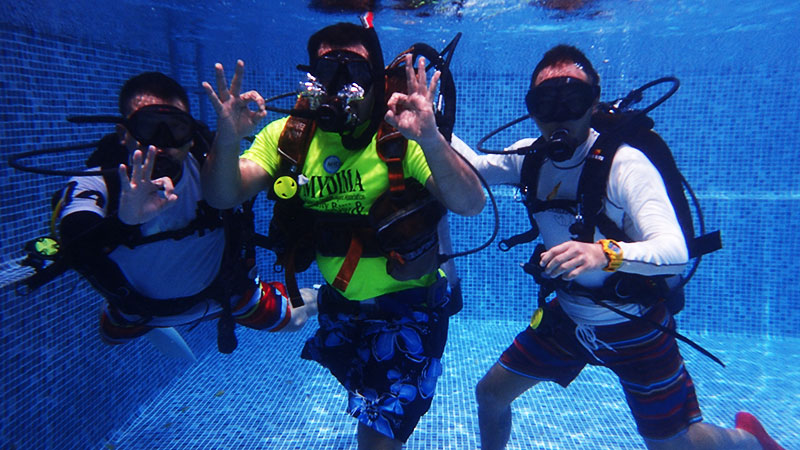
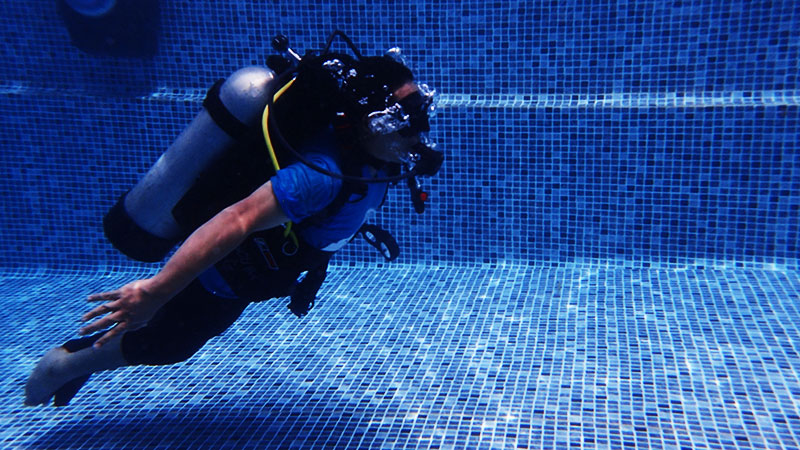
That feeling matters. Scuba diving can offer a sense of freedom, confidence, independence, and achievement that is difficult to replicate elsewhere. For some, it is also a way to reconnect with other people, rebuild self-belief, and take part in something adventurous and joyful.
Can diving have therapeutic value?
In some countries, adaptive scuba programmes have also been explored for their therapeutic benefits. While scuba diving is not a replacement for professional medical treatment, the underwater environment can offer unique physical and emotional benefits for some participants.
The sensation of weightlessness may reduce physical strain and allow movement in ways that feel difficult on land. Just as importantly, the experience can support focus, confidence, emotional release, and a sense of accomplishment.
This is one reason adaptive diving continues to gain attention globally, not only as recreation, but also as a meaningful avenue for personal growth and wellbeing.
What still needs to improve?
As encouraging as these efforts are, wider progress depends on removing practical barriers, not just changing mindsets.
More accessible infrastructure
The challenge is often not the scuba equipment itself, but the environment around it. Better accessibility at jetties, boats, resorts, and dive centres can make a major difference.
More awareness
Many people still do not realise adaptive diving is possible. Greater visibility helps more individuals, families, caregivers, and dive operators understand what can be achieved.
More training and exposure for dive professionals
Dive centres and professionals who build knowledge in adaptive diving can create safer, more welcoming experiences while offering something genuinely valuable to the wider community.
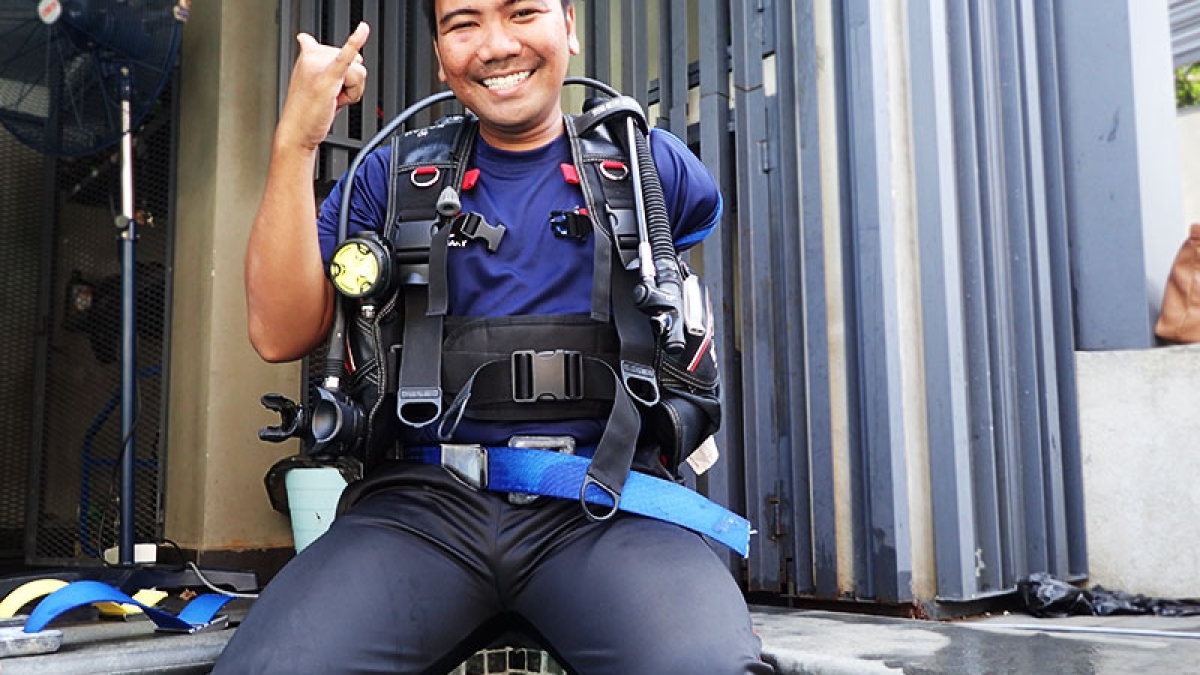
A reminder of what diving can be
At its best, diving removes barriers that matter too much on land. It replaces them with teamwork, trust, curiosity, and shared wonder.
That is what made My Special Dive Buddy so meaningful. It was not just about introducing people to scuba diving. It was about creating access, restoring confidence, and showing that adventure should be open to more people.
The event itself was also a reflection of the dive community at its best. The initiative, led by Captain Mohd Efenddy of Zero Protocol Community and ND Murray of ND Divers, came together with support from Gary Chan of PCG Group, Marcus Tan of ScubaG and Tenggol Coral Beach Resort, and volunteer dive professionals who stepped forward without hesitation.
It was a simple but powerful example of what can happen when people come together around a shared belief: that the ocean should be a place where more people feel welcome.
And perhaps that is the real takeaway.
Underwater, we are reminded that diving is not only about where we go, but what becomes possible when we help each other get there.