


A holiday is supposed to feel exciting, not uncertain.
But every so often, a serious boating or tourism incident reminds travellers of something easy to forget in the rush of trip planning: not every operator deserves your trust.
When accidents happen, public attention often focuses on the immediate tragedy. That is understandable. But behind many incidents are more familiar problems: poor operator judgment, weak safety practices, unsuitable vessels, overcrowding, poor communication, or commercial decisions that put margin ahead of people.
For travellers, the hardest part is that these risks are not always obvious when booking.
That is why it pays to be more deliberate before you commit.
What this article is for:
Travellers planning island transfers, boat-based excursions, snorkelling trips, or dive holidays, especially in destinations where operator quality can vary widely.
Key Takeaways
- The cheapest operator is not always the safest or most reliable
- Licensing matters, but so do actual operating standards
- A vessel, transfer, or activity can be legal on paper and still feel poorly managed in practice
- If something feels off before departure, do not ignore it
- A little research can dramatically reduce avoidable risk
The real issue is not the destination
When a high-profile incident happens, some travellers respond by writing off the entire destination.
That is usually the wrong conclusion.
Most destinations have a mix of operators: some responsible and well-run, others careless, under-equipped, poorly supervised, or overly aggressive on pricing. The problem is rarely the destination itself. The problem is whether travellers know how to separate credible operators from risky ones.
That distinction matters in marine travel, where your experience depends not only on scenery, but on the professionalism of the people handling your transport, safety briefings, equipment, and contingency planning.
Why risky operators still exist
Because someone keeps booking them.
In many tourism markets, commercial pressure can push some operators to cut corners. That can show up in different ways:
overcrowded boats
rushed boarding and poor passenger control
inadequate safety equipment
weak weather judgment
poorly maintained vessels
untrained or under-briefed staff
unclear accountability between agents, resellers, and local operators
Sometimes the warning signs are visible. Sometimes they are hidden behind polished marketing, low package prices, or third-party resellers.
That is why travellers should not rely on price or convenience alone.
Why "licensed" should be the starting point, not the finish line
A licensed operator is usually a better starting point than an unknown one, but licensing alone should not end your evaluation.
Travellers often assume that if an operator is active, advertised, or bookable through someone else, then standards must already have been checked. That assumption can be dangerous.
The more useful mindset is this: compliance may reduce risk, but it does not replace judgment.
You still want to know whether the operation feels organised, transparent, appropriately staffed, and serious about safety.
Warning signs travellers should not ignore
The price seems unusually cheap
A lower price is not automatically a red flag, but if the deal looks far below market without a clear reason, ask why. Cheap pricing can sometimes reflect cost-cutting in the wrong places.
The operator is vague about the vessel or safety arrangements
If basic questions about the boat, trip conditions, life jackets, weather policy, or contingency plans are met with vague answers, that is not a good sign.
The boarding process feels chaotic
Disorganisation at the dock often tells you something about the operation behind it. Confusion, overcrowding, poor communication, or visible rushing should not be brushed off.
Staff appear unconcerned about basic controls
Passenger counting, loading discipline, equipment checks, and clear instructions should feel routine, not optional.
You feel pressured to proceed
If concerns are dismissed or you are made to feel awkward for asking questions, take that seriously. Good operators do not resent reasonable safety questions.
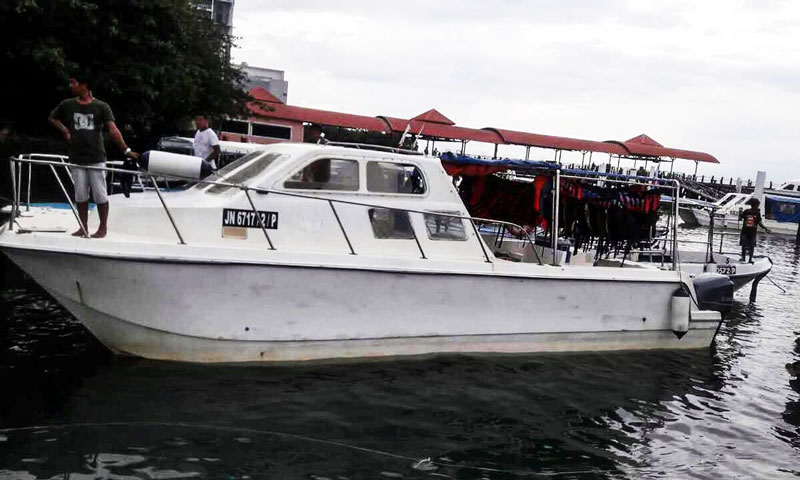
Trust your instincts, but do not rely on instinct alone
“Trust your gut” is useful advice, but it works best when paired with preparation.
Most travellers only get a few minutes to assess an operator in person before departure. By then, they may already have paid, committed emotionally to the itinerary, or feel pressured by the group to continue.
That is why the real work should happen earlier.
Before booking, check what you can:
operator reputation across multiple sources
how clearly they explain the trip
whether safety information is visible and straightforward
whether they seem selective and professional or purely transactional
whether the operator is known and trusted by people with local or diving experience
A little friction in the research stage is far better than avoidable uncertainty on departure day.
If you are travelling on a budget, know where not to compromise
Budget travel is not the problem. Unsafe compromises are.
There is nothing wrong with trying to travel affordably. But transport and operator quality are not the places to squeeze recklessly. Saving a small amount rarely feels worth it when viewed against poor equipment, avoidable danger, or a badly run experience.
If the safer option is beyond budget, the better move is often to change the plan, delay the trip, or choose a different experience rather than force the cheapest available route.
This applies to dive travel too
The same logic applies underwater.
When choosing a dive centre, liveaboard, or island transfer linked to a dive trip, travellers should look beyond photos and package pricing. Safety culture, equipment condition, staff professionalism, emergency readiness, and honest communication all matter.
This is one reason trusted networks matter. A good booking partner does more than pass through inventory. It helps travellers reduce uncertainty by steering them toward operators with stronger reputations, better standards, and more dependable experiences.
Questions worth asking before you book
Is the operator clearly identified?
You should know who is actually running the trip, not just who is marketing or reselling it.
What vessel or transfer setup is being used?
Clarity matters. If the answer is vague, keep asking.
What happens in poor weather or rough conditions?
A serious operator should have a clear policy, not a casual shrug.
What safety equipment is on board?
You may not get a perfect technical answer, but the response should sound competent and confident.
Is this operator known for transport reliability and safety, not just low prices?
That distinction matters more than many travellers realise.
A better way to think about travel safety
Travel safety is not about paranoia. It is about quality of judgment.
The goal is not to assume the worst about every operator. It is to recognise that in marine and island travel, professionalism matters in ways that may only become visible when something goes wrong.
Choosing well-run operators may cost a little more, take a little more research, or mean saying no to a tempting deal. But that is often exactly what responsible travel looks like.
Final thought
If something does not feel right, pause.
Ask questions. Reassess. Walk away if needed.
That decision may feel inconvenient in the moment, but inconvenience is easier to absorb than regret.
The best marine trips are built on trust, and trust should be earned long before you step onto the boat.